A cycle count without test conditions is an incomplete specification. To compare two batteries, ask what counts as a cycle and how much capacity remains at the end of the test.
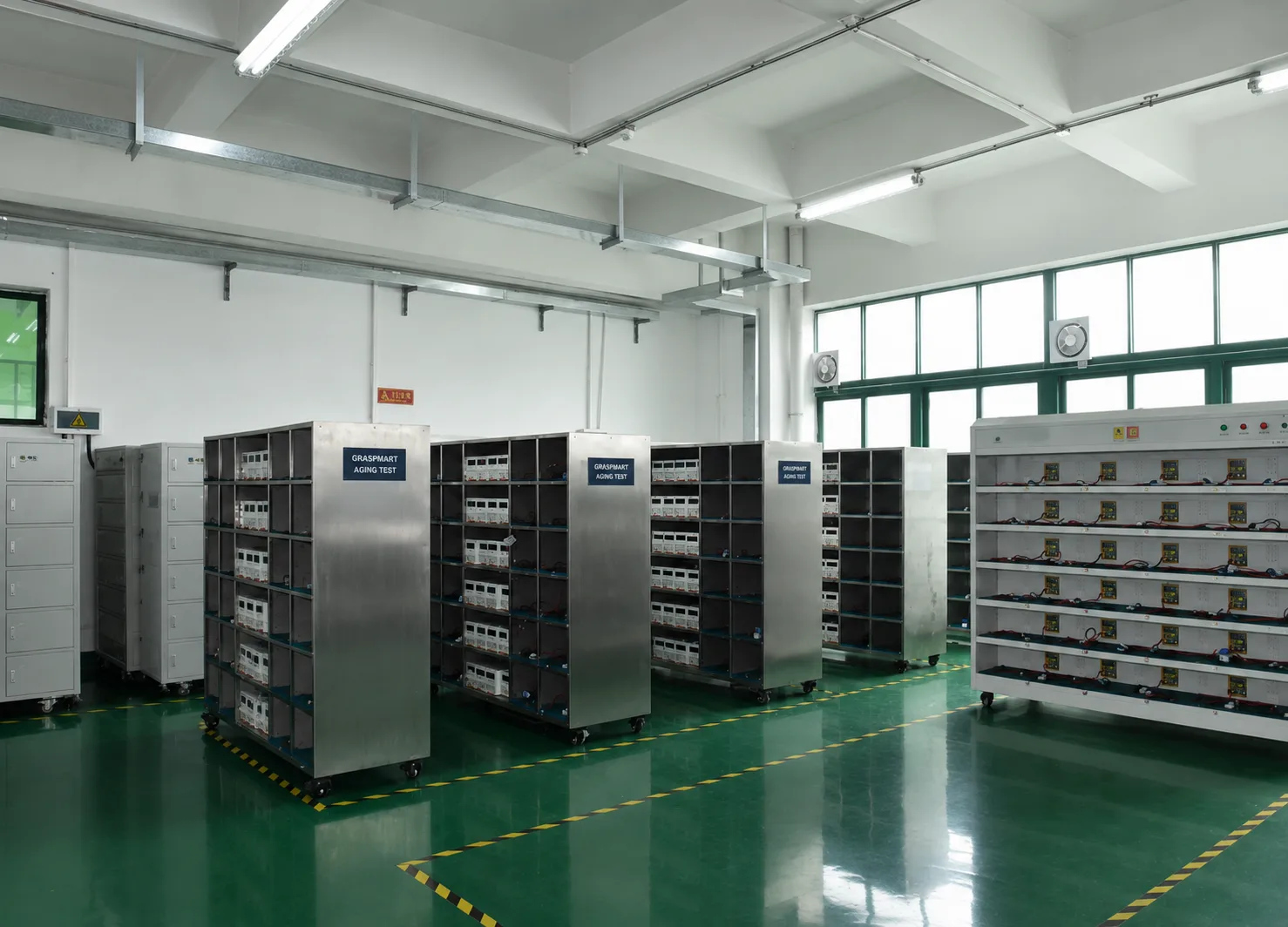
Read depth, rate and temperature together
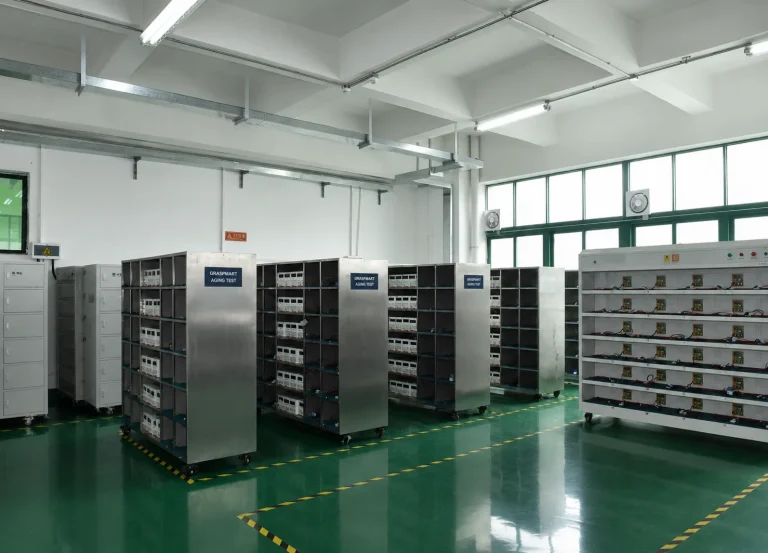
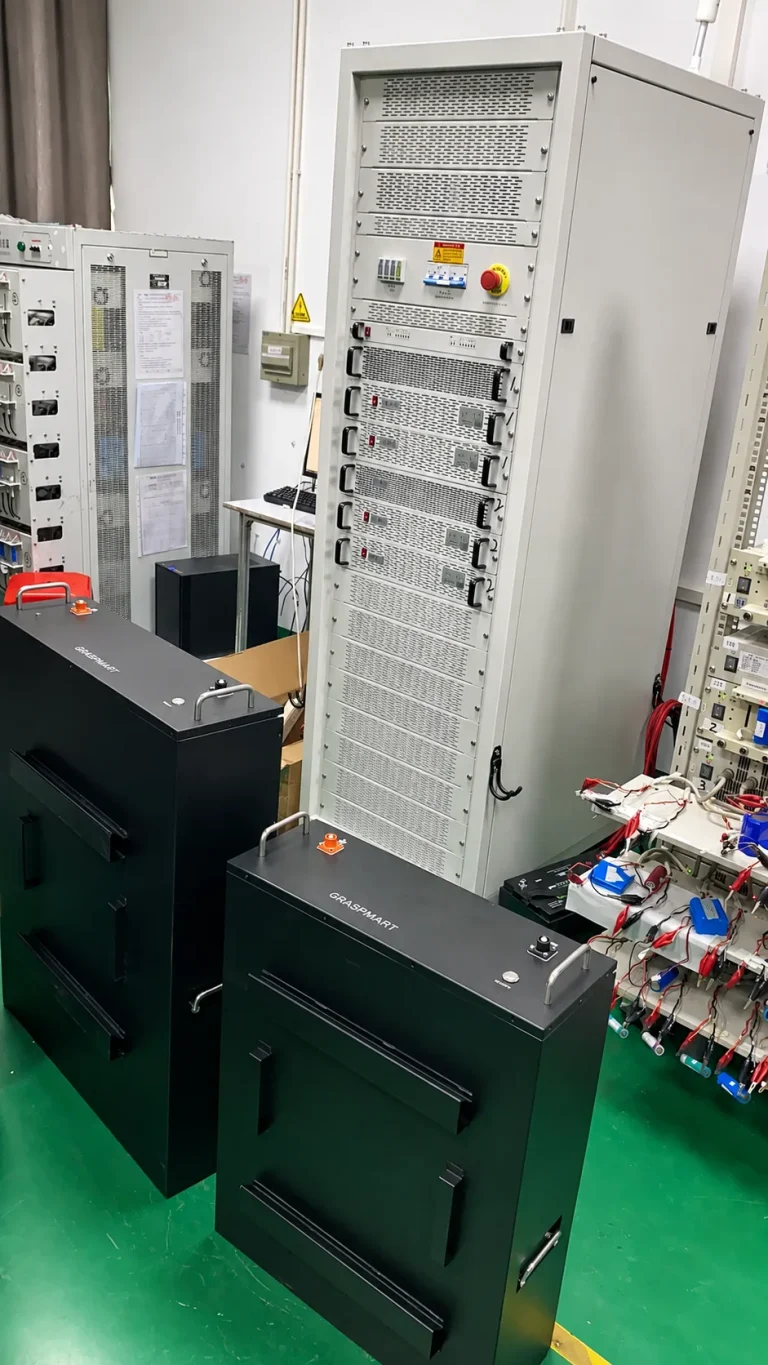
A cycle result depends on depth of discharge, current, temperature and the end-of-life capacity threshold. Comparing results from different conditions can mislead a purchasing decision even when both numbers appear in datasheets.
Separate testing from the commercial promise
A laboratory cycle result does not automatically become a ten-year warranty or a guaranteed amount of AC energy. The written warranty may contain time, throughput, capacity-retention and operating conditions.
Keep the operating plan realistic
Daily partial cycling, calendar aging, temperature and long periods at particular SOC levels can produce different service outcomes. Use test evidence as part of the evaluation and ask how the proposed duty is covered commercially.
Details to confirm
- Depth of discharge
- Charge/discharge rate
- Temperature and end-of-life threshold
- Warranty time and throughput conditions
Can I divide cycle count by 365 to predict years?
That arithmetic ignores calendar aging and test conditions. It is not a reliable service-life guarantee.
Product and project review
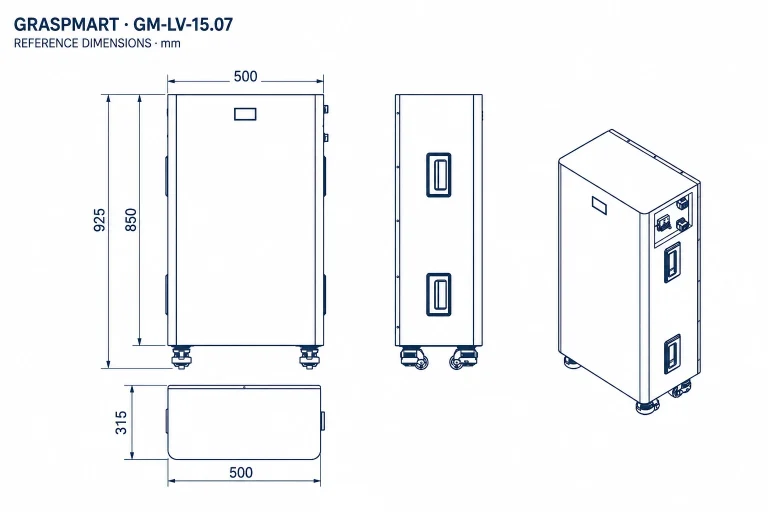
See the related Graspmart battery specifications and compare the available capacities. Use the reference data to shortlist a platform, then confirm the exact production model, accessories and operating limits in the quotation.
Send the inverter model, destination, quantity and the requirements listed above through the project enquiry form. Include existing equipment details when the battery is being added to an installed system.