Air conditioning can be included in a home battery design, but its electrical demand must be measured or obtained from the equipment documentation. Cooling capacity is not the same as electrical input power.
Use electrical input, not cooling output
A unit advertised by BTU/h or cooling kW does not draw that same amount of electrical power. Record input power across the relevant operating conditions and any starting requirement. Variable-speed units can change demand as room temperature changes.
Estimate energy over the actual schedule
An example air conditioner averaging 1.2 kW for six hours uses 7.2 kWh AC. Add the rest of the household backup loads before sizing stored energy. A lower thermostat setting, hot weather or poor insulation can change the result.
Check simultaneous loads
The inverter must support air conditioning together with any appliances that remain connected. Cooking, water heating and pumps may overlap. A written essential-load schedule helps determine whether priority controls or separate circuits are needed.
What to record before selecting a battery
- Electrical input and starting requirements
- Expected hours and local heat conditions
- Other simultaneous loads
- Required reserve and solar recharge
Does a 20 kWh battery guarantee all-night cooling?
No. Runtime depends on usable energy and the actual combined load. Calculate the planned operating period for the selected system.
Compare the relevant battery
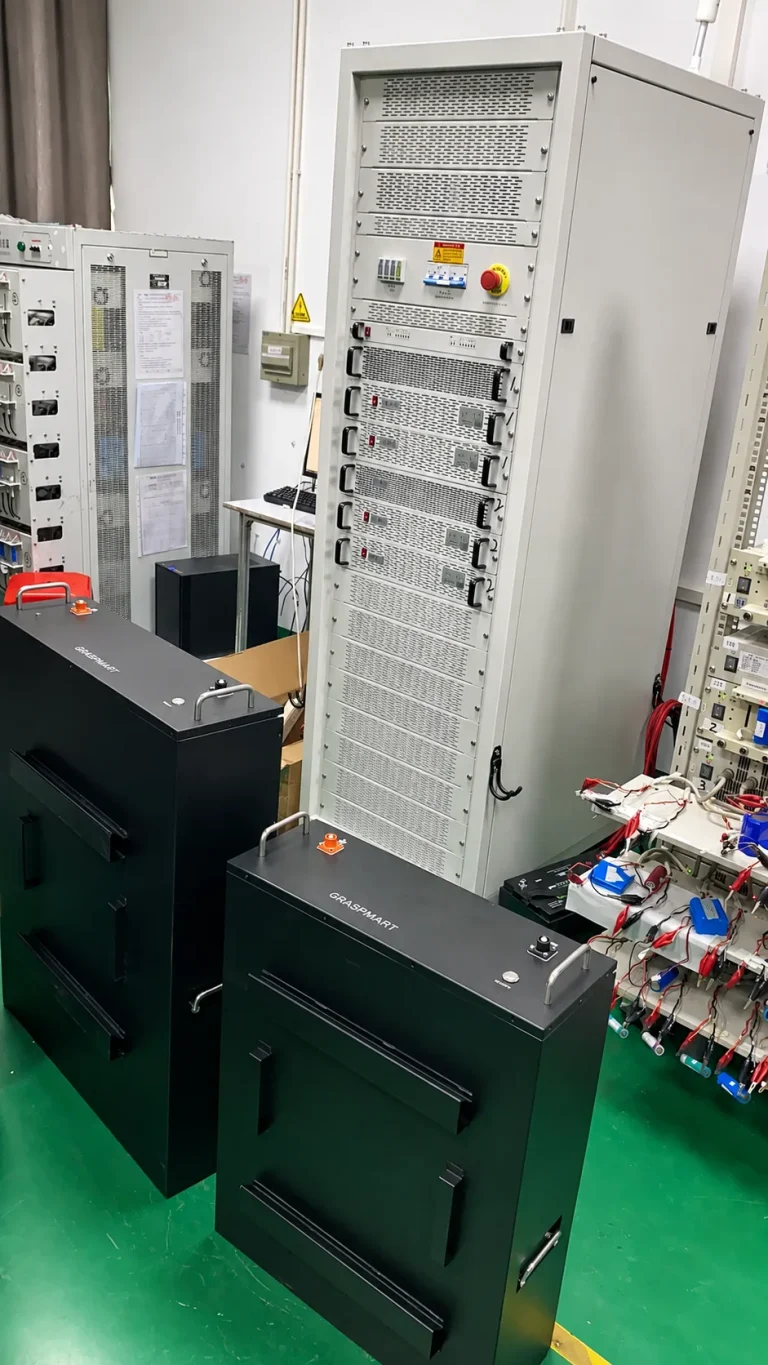
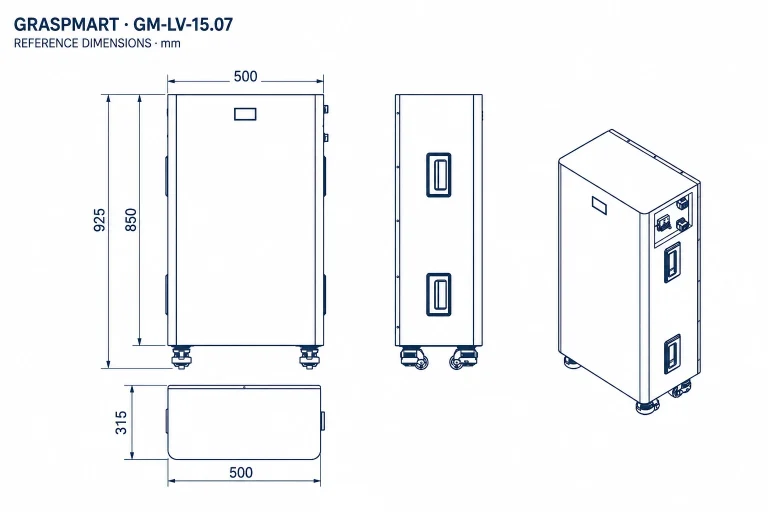
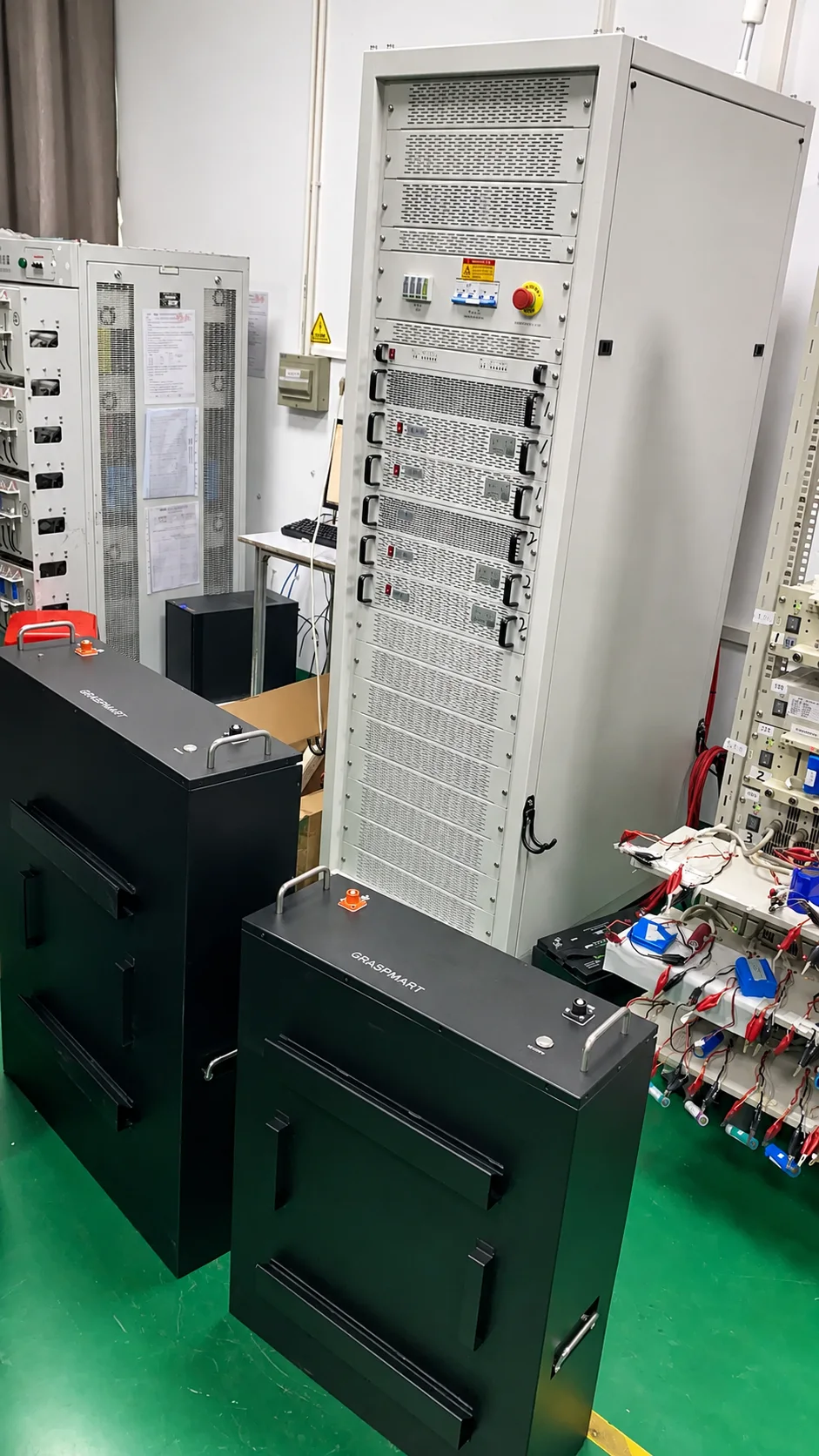
Review the corresponding Graspmart battery specifications alongside the capacity comparison. The product page gives the reference electrical platform; the quotation confirms the supplied model and configuration.
For a useful recommendation, include your delivery country, inverter model, supported loads, backup hours and quantity in the project enquiry. This allows energy, power and installation requirements to be checked together.