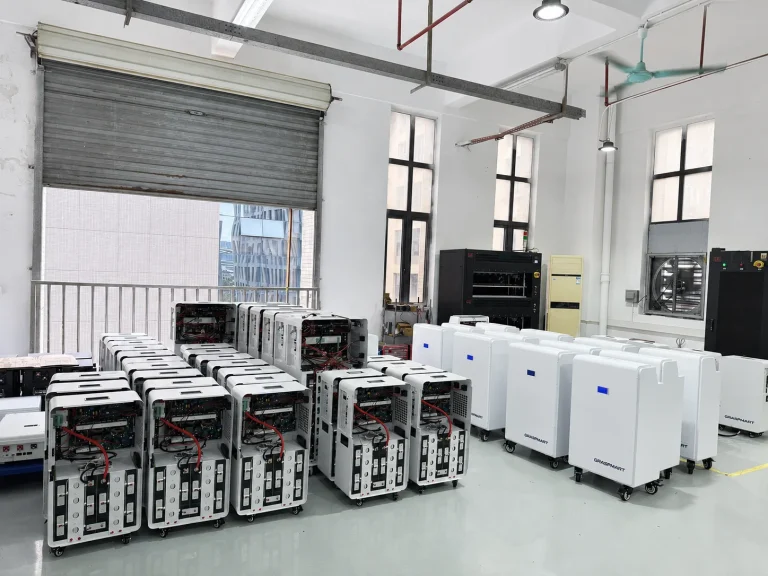
A product name such as “20 kWh home battery” is useful for browsing, but it is not enough for an import decision. Two batteries with similar advertised energy can use different voltage architectures, cell configurations, BMS protocols, current limits and certification packages.
1. Confirm the exact electrical configuration
Ask for the exact model number, nominal voltage, rated Ah capacity, nominal energy and usable energy. Check whether the arithmetic is consistent: nominal energy should broadly match nominal voltage multiplied by rated capacity. Also request the operating-voltage range, recommended depth of discharge and continuous charge/discharge current.
2. Identify the cell and BMS
Request the cell manufacturer, exact cell model, chemistry and supporting cell datasheet. For the BMS, ask for the brand or model, protection functions, CAN/RS485 interfaces and the protocol or compatibility list used with the intended inverter.
3. Verify inverter compatibility by model
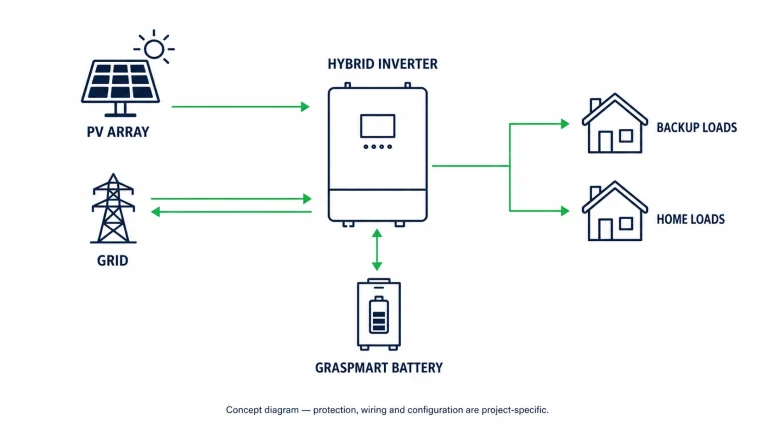
“Compatible with Deye, Growatt, GoodWe, Victron or Solis” is too broad unless the inverter model and firmware environment are identified. The battery supplier should confirm the protocol used and any required settings or cables.
4. Match certificates to the exact product
Do not rely on a certificate belonging only to a similar battery or another company in the supply chain. Ask whether CE documentation, IEC 62619 evidence, UN38.3 test documentation and MSDS/SDS apply to the exact model being quoted. Availability varies by model and market.
5. Check the mechanical and environmental details
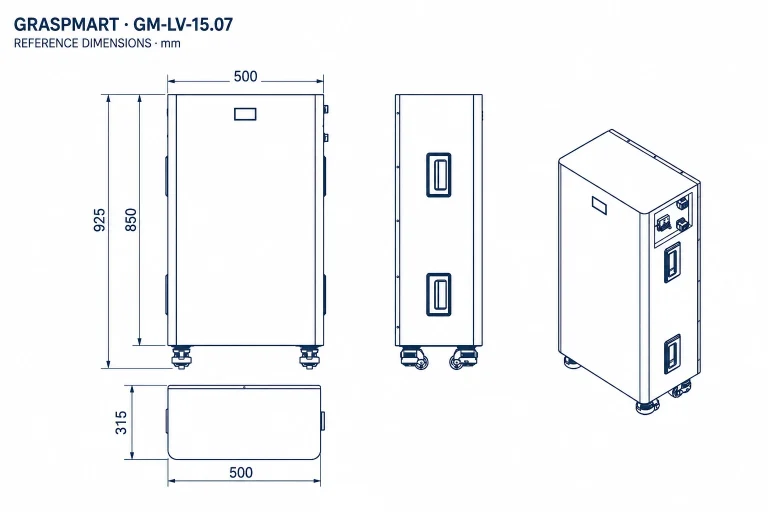
Confirm dimensions, net and gross weight, enclosure/IP rating, operating temperature, terminals, communication ports, installation clearance and packaging method. These details affect freight, site planning and serviceability.
6. Define the commercial package
A useful quotation should state quantity, unit price, Incoterm, port, lead time, payment terms, warranty terms, spare-parts policy and claim procedure. For private-label projects, also confirm OEM scope, artwork process, MOQ and sample approval.
A practical RFQ checklist
- Country and application
- Inverter brand and exact model
- Nominal and usable energy required
- Quantity and expected annual volume
- Required certificates and destination-market documents
- Indoor/outdoor installation and IP requirement
- OEM branding, packaging and manual requirements
- Preferred Incoterm and destination port
Graspmart uses this requirement-led process to shortlist residential LiFePO4 batteries, coordinate production options and prepare project quotations. Send your battery requirement or review our 20 kWh class battery configuration page.