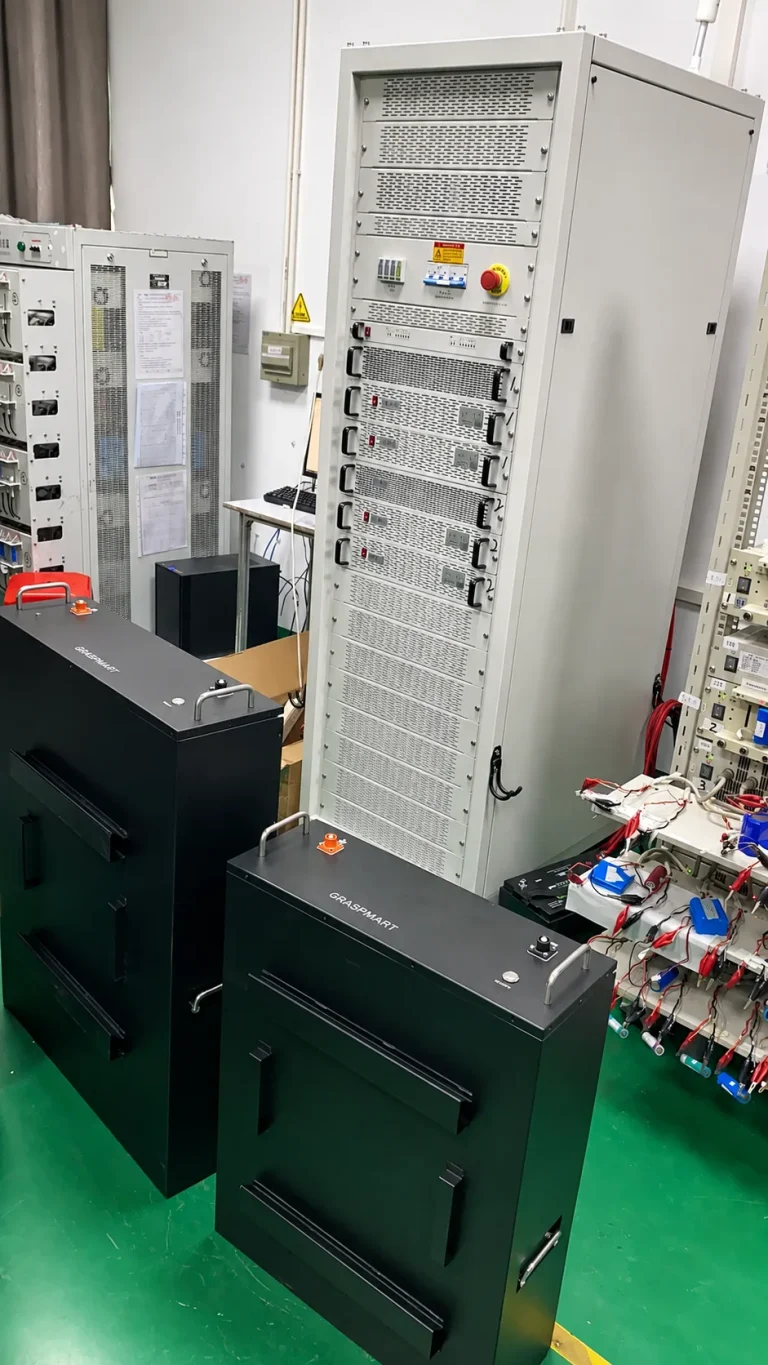
Recharge time depends on the energy being replaced and the charging power actually available. A charger rating or PV array nameplate is an upper limit, not a promise of constant charging throughout the day.
Calculate the energy deficit
Charging from 20% to 80% replaces about 60% of nominal energy before accounting for losses. For a 15.07 kWh reference battery that is about 9.04 kWh. At an assumed constant 3 kW into the battery, the basic estimate is around three hours.
Identify the slowest limit
PV surplus after household loads, inverter charging capability, battery charge-current limit and temperature-dependent BMS limits can each constrain charging. The voltage changes during charging, so current does not translate into perfectly constant power.
Allow for the end of charge
Charging can taper near the upper limit. Balancing, reserve settings and intermittent cloud also affect elapsed time. Use an appropriate margin rather than treating energy divided by peak power as a guaranteed completion time.
What to record before selecting a battery
- Starting and target SOC
- Battery permitted charge current
- Inverter charging limit
- Available solar surplus during the charging window
Can I simply increase charging current?
Only within the battery, inverter and installation limits. A setting above the allowed value does not make the system safely charge faster.
Compare the relevant battery
Review the corresponding Graspmart battery specifications alongside the capacity comparison. The product page gives the reference electrical platform; the quotation confirms the supplied model and configuration.
For a useful recommendation, include your delivery country, inverter model, supported loads, backup hours and quantity in the project enquiry. This allows energy, power and installation requirements to be checked together.