HIGH-CAPACITY RESIDENTIAL STORAGE
20.48 kWh · 51.2 V · 400 Ah LiFePO4 battery
A high-capacity floor-standing platform for extended home backup, solar self-consumption and larger residential energy systems.
Core technical data
| Nominal energy | 20.48 kWh |
| Nominal voltage / capacity | 51.2 V / 400 Ah |
| Chemistry | LiFePO4 |
| Maximum continuous charge | 200 A |
| Maximum continuous discharge | 200 A |
| Communication | CAN / RS485 |
| Maximum parallel units | Up to 16 on the selected platform |
| Ingress protection | IP32 |
| Operating temperature | Charge 0°C to 60°C; discharge -20°C to 60°C |
| Dimensions | 900 × 476 × 260 mm |
| Approximate net weight | 140 kg |
The quotation and matching datasheet confirm the supplied model, accessories, warranty and delivery terms.
Designed for demanding homes
- Higher stored energy in one floor-standing unit
- Whole-home or extended critical-load backup
- Solar energy shifting from daytime to evening
- Parallel expansion for larger projects
- OEM branding and documentation options
Application fit
Extended backup
Support more household loads or longer outage duration after proper sizing.
Solar self-consumption
Store more daytime PV energy for evening and overnight use.
Large home / off-grid
Coordinate battery, PV, inverter and generator around autonomy targets.
What we confirm before quotation
Voltage, energy, current and usable-capacity expectations.
Inverter model, CAN/RS485 protocol and parallel quantity.
UN38.3, SDS/MSDS, manual and applicable market evidence.
Warranty, OEM, packing, lead time, quantity and Incoterm.
Get a configured 20.48 kWh proposal.
Include your country, inverter model, backup requirement, quantity and required documents.
Understand 20 kWh energy and power
20.48 kWh is nominal stored energy. It is not a 20 kW output rating. At 51.2 V and 200 A, the calculated DC power is 10.24 kW at nominal voltage, before conversion losses. The actual output follows inverter, battery and temperature limits.
For example, 20.48 × 0.90 × 0.90 gives approximately 16.59 kWh delivered under an illustrative SOC and efficiency assumption. This corresponds to about 8.3 hours at 2 kW or 5.5 hours at 3 kW. Reserve, ageing, inverter standby draw and temperature can reduce runtime.
Where this reference configuration fits
- Higher overnight energy demand with a compatible low-voltage inverter.
- Longer essential-circuit backup, when the inverter supports backup operation.
- Larger solar systems with enough surplus energy to recharge the battery.
- A protected installation location appropriate to the quoted enclosure rating. IP32 must not be treated as permission for exposed outdoor installation.
Expansion needs a system design
The listed maximum parallel quantity applies only to the identified battery model. It is not an instruction to connect sixteen units to any inverter. Current sharing, busbars, isolation, protection, communication topology, firmware and inverter limits must be reviewed for the complete system. A later battery purchase may require a compatibility review with the installed batch.
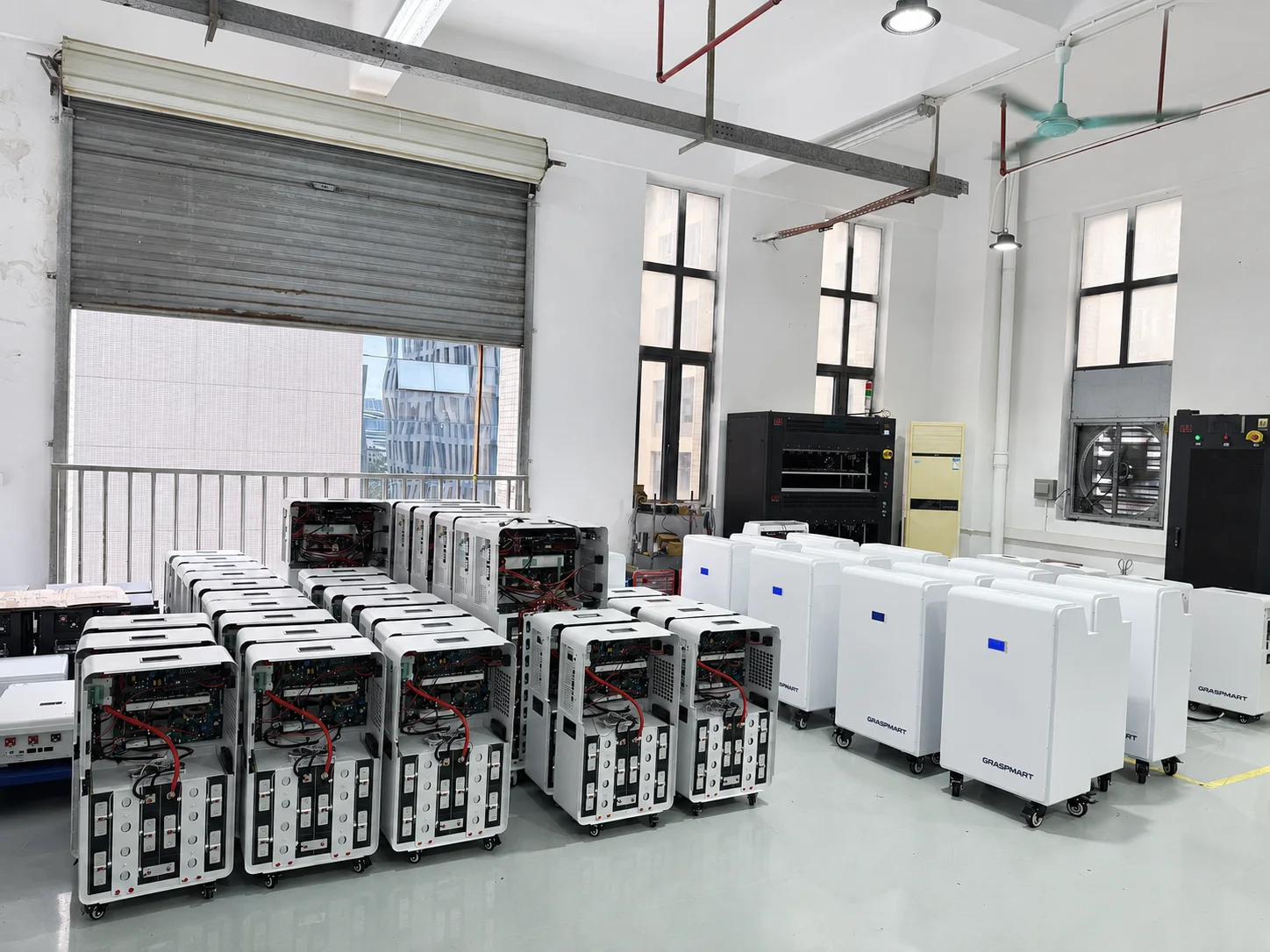
Purchase and delivery details
- Confirm the exact model and dimensions; other 20 kWh products use different enclosures and specifications.
- Verify net and gross weight, pallet dimensions, unloading method and access route before arranging delivery.
- Specify whether the quote includes inverter, DC cables, communications, protective equipment or only the battery.
- Agree warranty conditions, spare parts, approved repair route and responsibility for shipping and installation costs.
- Request model-matched documents before committing to a target-market installation.
Questions buyers ask
Will a 20 kWh battery run air conditioning?
Runtime depends on measured consumption, and startup depends on the inverter and battery power limits. Supply the air-conditioner running and starting load to assess the system.
Is this a complete solar system?
This page describes a battery battery model. PV modules, inverter, AC equipment and installation are separate unless explicitly included in the quotation.
Does 20 kWh mean twice the backup of 10 kWh?
At equal usable SOC, efficiency and load, nominal capacity roughly doubles runtime. Different inverter losses, reserve settings and current limits can change the result.
Get a proposal for your home battery project
Send your country, inverter model, expected quantity and backup requirement. Include any compulsory documentation and delivery dates so the quotation can address them.