RESIDENTIAL ENERGY STORAGE SOLUTIONS
Home battery sizing for solar use and backup
Compare the household load, backup hours, solar generation and inverter model before choosing 10, 15, 16 or 20 kWh.
What do you need the battery to do?
Use solar energy after sunset
Match battery capacity to surplus daytime generation and evening consumption. Send your PV size and daily electricity use.
Keep essential appliances running
List the lights, refrigerator, router and other circuits you need during an outage, together with the required backup hours.
Supply an off-grid home
Provide seasonal solar generation, daily load and generator details. Battery capacity and inverter power are sized together.
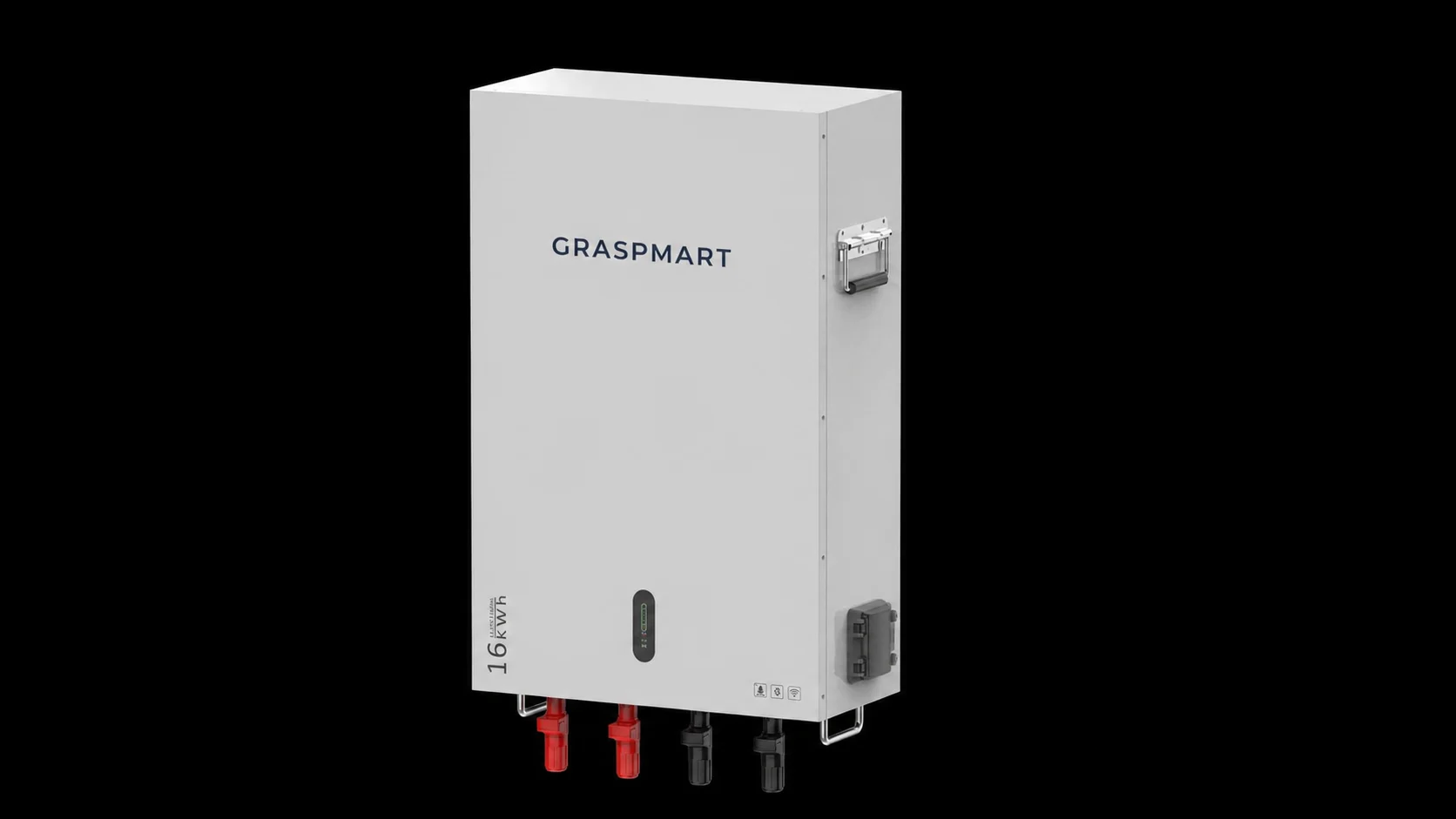
Home backup
Keep selected circuits or whole-home loads operating during grid outages. The correct battery depends on peak load, backup duration and inverter output.
Solar self-consumption
Store surplus daytime PV generation and use more solar energy after sunset. Sizing begins with daily consumption and expected solar surplus.
Time-of-use management
Coordinate battery charging and discharging around local tariff periods, inverter functions and grid rules.
Off-grid home
Combine PV, battery, inverter and generator around daily energy, autonomy, seasonal solar conditions and starting loads.
Large residential system
Use 15-30 kWh platforms or validated parallel configurations for higher energy demand and longer backup.
Installer / distributor range
Build a coherent 5-30 kWh portfolio with sample validation, documentation, branding and repeat-order control.
ENGINEERING INPUTS
Information required for a useful recommendation
Critical peak power, daily energy and motor starting loads.
Required hours, circuits and minimum reserve.
PV capacity, inverter brand/model, phase and firmware.
Indoor/outdoor, temperature, dimensions and expansion plan.
Typical selection path
Critical-load backup and compact solar homes.
Whole-home support and higher daily energy use.
Large homes, longer autonomy and off-grid applications.
Project-specific expansion after BMS and inverter validation.
Send your load and inverter information.
We will recommend the next battery configuration and technical questions.
Solar self-consumption: size around surplus and evening demand
Start with measured daytime export and consumption after sunset. A battery larger than the daily surplus may not recharge fully from solar. Check seasonal generation, reserve for outages and inverter charge power before selecting a capacity. The useful comparison is how much energy can be shifted on a normal day.
Home backup: separate essential circuits from the whole house
List lighting, communications, refrigeration and other essential loads with their running and starting power. Decide which appliances can remain off during an outage. Whole-home backup needs the inverter, transfer equipment, battery current and electrical design to support simultaneous demand; battery kWh alone does not establish that capability.
Worked sizing example
A home needs a constant average 2 kW for six hours: 12 kWh at the AC load. Assuming a 90% usable SOC window and 90% conversion efficiency, required nominal capacity is 12 ÷ 0.9 ÷ 0.9 = 14.8 kWh. A 15/16 kWh reference is a starting point, but ageing, reserve, temperature and the actual profile may justify 20 kWh. Separately confirm the peak-power requirement.
This is an illustrative design exercise, not a promised backup duration or an installed case study.
Off-grid homes: plan for the difficult season
Use the lowest relevant solar yield and required autonomy, not annual-average production. Include generator availability, large starting loads and recovery after several poor-solar days. Confirm the inverter can manage the generator and the battery can accept the planned recharge power.
What to send for a solution review
Provide electricity consumption, overnight usage, peak load, required backup duration, PV size, inverter model, country and installation conditions. Compare the battery range and request a project review.